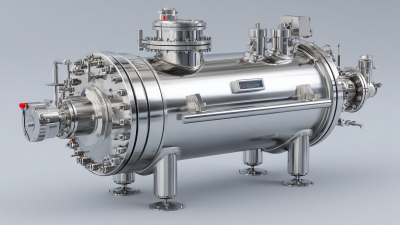
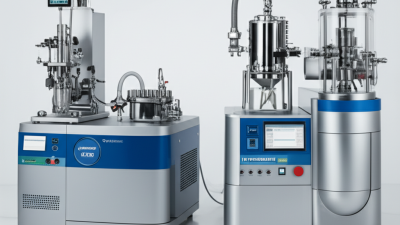
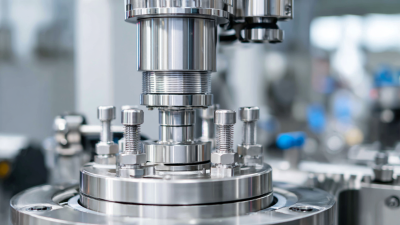
Picking the right homogenizer machine really matters if you want your processes to turn out just right. Honestly, there are a bunch of things you gotta keep in mind. Companies like Homogenizer Co. and BlendTech have got all sorts of models, kind of like a menu—you just need to figure out which one suits your needs best. Take your time to look at their features carefully, don’t just rush into it.
Homogenizer machines are pretty much a staple in industries like food production and pharmaceuticals. Knowing what you actually need can help point you in the right direction. Think about what you’ll be using it for—things like viscosity, the size of your batches, and what kind of finish you’re aiming for. It’s worth taking a moment to really consider these factors.
Honestly, choosing the wrong homogenizer can be a real drag. It might mean your product isn’t as consistent as it should be, or you end up spending more on operations than necessary. Do yourself a favor and weigh your options carefully. If possible, try out a few models before making your final call. Remember, this isn’t something you want to rush—buying a homogenizer is a pretty big deal, after all.
Homogenizer machines play a crucial role in various industries, from food to pharmaceuticals. They are designed to create a uniform mixture by breaking down particles. This process ensures consistency in texture and taste, essential for products like sauces and creams. Understanding their applications is vital for selecting the right type.
Choosing the right homogenizer involves knowing your specific needs. Different machines cater to various applications; for instance, some are suited for high-viscosity fluids, while others excel with low-viscosity liquids. Evaluate factors like volume requirements and desired particle size. This will help narrow down your options.
**Tips:** Look for machines that are easy to clean and maintain. Accessibility can save you time and effort in the long run. Don’t overlook the feedback from users. Their experiences can guide your decision. Reflect on your production goals; what might work today may not suit future needs. Flexibility is key in choosing the best homogenizer.
When choosing a homogenizer, the type can make a big difference. Mechanical homogenizers utilize high shear forces. They are effective for products that need a smooth texture. These machines crush and disperse particles well. However, they may not be suitable for all materials.
Ultrasonic homogenizers are another option. They work by applying high-frequency sound waves. This method is excellent for emulsifying and dispersing nano-sized particles. It’s often more precise with less heating. Users might find that these machines are quieter. However, they can require more maintenance.
Tips: Assess your specific needs before making a choice. If working with heat-sensitive products, ultrasonic may be better. Consider the volume of your production. Mechanical units might perform well at higher volumes. Always test different types before finalizing. Understand the limitations too. Each type of homogenizer may not meet every requirement. Choose wisely to avoid costly mistakes.
When choosing a homogenizer machine, key features play a vital role. Start by considering the capacity of the machine. A small lab might benefit from a compact model, while larger production facilities may need heavy-duty options. Think about the materials used in construction. Stainless steel is often ideal for durability and easy cleaning.
Next, examine the speed and efficiency. Some processes need high speeds for effective homogenization. Look for machines with adjustable speed settings for versatility. It's also important to check the ease of operation. Complicated controls can lead to errors and downtime.
Finally, assess the maintenance requirements. Machines that require frequent servicing can disrupt workflows. Not all homogenizers are easy to clean, which can affect hygiene. Balancing these details is essential. Reflect on your specific needs and workflow to ensure the best choice.
When selecting a homogenizer machine, consider capacity and size. Each production line has unique demands. A machine’s capacity must align with your output goals. Think about the volume you will process. Too large a machine may lead to inefficiency. Conversely, a smaller unit may fall short during peak production.
Evaluate the available space in your facility. A compact homogenizer fits easily in tight spaces. If you have more room, a larger machine may offer better performance. Balance is key. Is it worth sacrificing efficiency for size? Reflect on how often you will need to scale production. Growth in demand might require a rethink of your current setup.
Also, consider maintenance needs based on size. Larger systems can be more complex and may require more resources. Don’t overlook this aspect. The right choice supports both current and future needs. Mistakes here can be costly, leading to downtime or inefficiencies. Make a list of your requirements before making a decision. Prioritize what matters most for your operation's success.
When selecting a homogenizer machine, budgeting is crucial. Costs can vary widely, influenced by several factors. For instance, a report by ResearchAndMarkets indicates that the global homogenizer market is expected to grow, with prices ranging from a few hundred to tens of thousands of dollars. This discrepancy often depends on the machine’s capacity, material, and technology type.
Maintenance costs also play a significant role in budgeting. Regular maintenance can prevent costly repairs. Neglecting this can lead to performance drops and increased operational costs. The average maintenance expense for these machines can be around 10-15% of the initial purchase price annually. It is essential to factor this into your overall budget.
Tips: Consider your production volume. A higher output may justify a more expensive machine. Assess the total cost of ownership, not just the initial price. Investing in quality can save money long-term. Remember, the right homogenizer is not just about price but also efficiency and durability.
When selecting a homogenizer machine, it’s vital to consider the manufacturer’s reputation. A strong reputation often reflects quality. Look for manufacturers with positive reviews from users in similar industries. Customer feedback can provide insights into the machine's reliability and performance. You can also check online forums or industry groups for shared experiences. A company that stands the test of time usually has something valuable to offer.
Customer support is another crucial factor. After purchasing, you might face challenges. A good manufacturer should provide efficient service. Quick responses to inquiries are essential. Support options can include live chat, phone calls, and detailed manuals. Some companies may even offer training sessions. It can be frustrating if support is slow or unhelpful. This is an area where you might often reflect on past experiences. Assessing both reputation and support options will guide your decision effectively.
When selecting a homogenizer, safety and compliance are essential. Ensure the equipment meets industry standards. This is crucial for operational safety and product quality. The right homogenizer should also align with regulatory guidelines relevant to your sector.
Tips: Always check certifications. Look for compliance with local and international safety standards. Documentation is key here.
Consider the materials used in the homogenizer. They must be suitable for your applications. For food or pharmaceutical use, stainless steel is often a safe choice. Avoid plastic parts that may degrade or leach.
Tips: Examine the user interface. It should be intuitive, allowing for easy adjustments. Complicated controls can lead to operator errors.
Review maintenance procedures. Equipment that is hard to clean may lead to safety issues. Regular maintenance checks can help prevent accidents and ensure compliance with standards. This adds to your operational efficiency.
: The product aims to enhance daily routines and improve overall quality of life.
Anyone can use it, but specific benefits may vary by user.
Some users report mild discomfort. It may not be suitable for everyone.
Follow instructions carefully for the best results. Misuse could lead to less effectiveness.
Yes, it is designed for regular use. Listen to your body and adjust as needed.
Results may vary. It might require more time or a different approach. Reflection is key.
Yes, there is a return policy for unsatisfied customers. Ensure it's followed correctly.
It has unique features, but effectiveness may differ based on individual needs.
Yes, user support can be contacted for questions or concerns. Engagement is encouraged.
The product is made from various materials. Some may be sensitive to certain users.
When selecting the best Homogenizer Machine for your needs, it's crucial to understand its purpose and applications across various industries. There are different types of homogenizers, including mechanical and ultrasonic, each suited for specific tasks. Key features such as efficiency, ease of use, and maintenance requirements should also be considered. Evaluating capacity and size based on your production scale is essential, along with budgeting for both the initial investment and ongoing maintenance costs.
Furthermore, the reputation of the manufacturer and the availability of customer support are critical factors in ensuring a satisfactory purchase experience. Finally, safety and compliance standards must be adhered to in order to guarantee that the selected homogenizer meets industry regulations. By thoroughly assessing these aspects, you can make an informed decision that aligns with your operational needs.