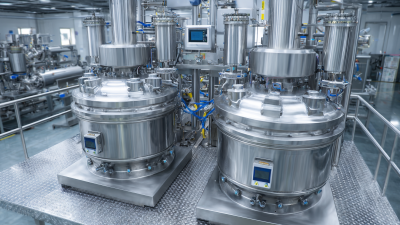
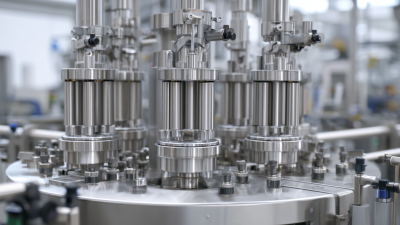
Picking the right homogenizer mixer really makes a difference in your products. Honestly, it’s super important to think about what you actually need—because what works in one industry, like food, might not be the best for pharmaceuticals, and vice versa. Every application has its own quirks. For example, some mixers are great at creating stable emulsions, while others are better at breaking things down to super fine particles. So, figuring out what your main goal is with the mixer is key. If you’re vague about it, you might end up with a machine that doesn’t quite do the job you wanted.
Of course, quality is crucial, but you also don’t want to break the bank. Some brands look tempting because of their price or flashy features, but that doesn’t always mean they perform well. It’s definitely worth reading reviews from other users—real experiences can save you a lot of headaches. And don’t forget about durability; a cheap or poorly chosen mixer can end up being a constant source of frustration in the long run.

Understanding the Functionality of Homogenizer Mixers
Homogenizer mixers play a crucial role in various industries, including food, pharmaceuticals, and cosmetics. Their primary function is to create a uniform mixture by breaking down particles in a liquid. According to a recent industry report, the global homogenizer market is expected to grow at a compound annual growth rate of 4.2% from 2023 to 2030. This growth highlights the importance of choosing the right homogenizer mixer for specific applications.
Understanding how homogenizer mixers work is essential for optimal selection. These mixers utilize mechanical force to shear, crush, or break down particles. This process can improve product stability and shelf life. A poorly chosen homogenizer can lead to inconsistent results, affecting product quality. For example, if a mixer is too powerful, it might introduce excessive air, which can lead to oxidation. Conversely, an underpowered mixer may not achieve the desired particle size.
In the food industry, the ideal particle size is often around 10-20 microns to maintain texture and flavor. A study showed that 70% of consumers prefer products with a smooth mouthfeel. Thus, understanding the specific needs of your application is critical. Assessing the volume, viscosity, and desired particle size can guide your choice. Not all homogenizers are made equal, and misalignment with application needs can yield disappointing results.
Types of Homogenizer Mixers and Their Applications
When selecting a homogenizer mixer, it's essential to understand the different types available and their applications. High-shear mixers are versatile and ideal for creating emulsions. They can blend ingredients with varying viscosities effectively. If you need to process large volumes, consider using batch mixers. These models are efficient for mixing large quantities at once.
Ultrasonic homogenizers are another option. They use high-frequency sound waves to achieve fine particle dispersion. This type is often utilized in laboratories for tiny batches or experimental formulations. On the other hand, rotor-stator mixers work well for both small and large-scale production. They are effective for mixing, dispersing, and homogenizing materials.
Choosing the right mixer can be challenging. Each type has its advantages and limitations. It's important to evaluate your specific needs. A powerful mixer might not be necessary for every application. Sometimes, a simpler model could suffice. This reflection can lead to better decision-making in the long run.
Key Features to Consider When Selecting a Homogenizer Mixer
When selecting a homogenizer mixer, consider several key features. The type of sample you are working with is crucial. For viscous materials, a high-shear mixer may be ideal. Some mixers struggle with thick samples. It's worth testing a few options to see what works best.
The capacity of the mixer is another important factor. Depending on your workload, you may need a model that handles larger volumes. Oversized equipment can waste energy and space. On the other hand, underpowered mixers may not emulsify properly.
Speed and power settings can also impact performance. A versatile mixer allows you to adjust the intensity. This is especially useful for different types of mixing tasks. Be aware that not every mixer offers this flexibility. A lack of options could lead to inconsistent results, which can be frustrating.
Determining the Required Capacity and Scale of Operation
When determining the required capacity and scale of operation for a homogenizer mixer, consider your specific needs. Each application varies. Think about the volume of material you will process regularly. Small labs might require a mixer with lower capacity. Larger industrial operations need equipment that can handle significant throughput.
Assess the viscosity of the products you’ll be working with. Thicker substances demand more powerful mixers. Ensure the chosen homogenizer can effectively reduce particle sizes as required. It’s crucial to balance capacity with the intended outcome. A high-capacity mixer may not always be the best choice. Sometimes, smaller mixers provide better control over the mixing process.
Don’t overlook the space you have available. A larger unit needs more room and may require specialized installation considerations. Reflect on the operational settings and how often you’ll run the mixer. A less frequent operation could justify a smaller unit. However, if production scales up in the future, you might have to reevaluate your choices. Ensuring that your equipment meets current and future needs is essential for operational efficiency.
Evaluating the Material Compatibility for Your Application
When choosing a homogenizer mixer, material compatibility is crucial. The materials used in your application can affect both performance and safety. For instance, some mixers are made from stainless steel, while others use plastic components. Knowing how these materials interact with your substances is essential. Certain chemicals may corrode metals or degrade plastics, leading to contamination.
Consider the temperature and pressure requirements for your application. Some materials can withstand high temperatures, while others cannot. A mismatch may result in equipment failure. Pay attention to specific conditions under which the mixer will operate. Some materials might warp or soften. If you’re unsure, consult specifications or seek expert advice.
Real-world testing can reveal potential issues. Sometimes, a mixer that looks good on paper fails in practice. You might find that even slight variations in formulation can lead to unexpected reactions. It's worth reflecting on previous experiences to learn from any mistakes made. Always keep in mind the long-term implications of your choices. Failing to do so could result in higher costs down the line.
Budgeting for Your Homogenizer Mixer Purchase
When budgeting for a homogenizer mixer, it's crucial to analyze both initial costs and long-term expenses. Industry reports indicate that high-quality mixers can range from $1,000 to over $10,000. This range often reflects the technology and performance capabilities required for your specific needs.
Tips: Always set aside 10-15% of your budget for unexpected costs. This prepares you for maintenance or accessory needs later on.
Consider the intended applications. For smaller labs, a less expensive unit may suffice. However, high-volume operations typically require advanced features, justifying the higher prices. A recent study highlighted that opting for a robust model often reduces total operational costs by 20% over three years.
Tips: Evaluate the total cost of ownership. Sometimes, spending more upfront can yield savings in the long run. Be wary of hidden expenses like shipping and installation. Reflect on whether a rental option meets your needs before committing to a purchase.
Maintenance and Support Options for Longevity and Performance
Choosing the right homogenizer mixer involves more than just its features. Maintenance and support are critical for ensuring longevity and optimal performance. Regular upkeep can prevent issues that may arise from wear and tear. It’s essential to follow the manufacturer's guidelines for maintenance routines.
**Tip:** Create a maintenance schedule. This should include cleaning and inspections. Addressing small problems early can save time and costs later. For example, check seals and o-rings frequently to avoid leaks.
Selecting a homogenizer mixer's support options is equally important. Look for providers that offer comprehensive technical support. Knowledgeable support staff can guide you in troubleshooting problems effectively. If issues arise, quick access to support can minimize downtime.
**Tip:** Invest time in training. Ensuring that your team understands how to operate and maintain the mixer can boost performance. It also fosters a proactive approach to problem-solving, reducing potential off-time.
Pay attention to the mixers’ performance over time. If your mixer frequently malfunctions, it may need more than just regular maintenance. Reflect on whether your setup meets your needs. Sometimes, an upgrade might be a worthwhile consideration.
Conclusion
When choosing the best Homogenizer Mixer for your needs, it is essential to understand its functionality and the various types available, each suited for specific applications. Key factors to consider include the mixer’s capacity, material compatibility, and essential features that align with your operational requirements. Additionally, budgeting for your purchase is crucial to ensure you select a model that fits your financial plan while evaluating maintenance and support options to ensure longevity and optimal performance.
Selecting the right Homogenizer Mixer involves a careful assessment of your scaling operations and the materials you'll be processing. By focusing on these core elements, you can make an informed decision that ensures efficiency and effectiveness in your blending and homogenizing processes.